I still remember swinging a broomstick around as a kid, pretending it was something more. That's basically the whole appeal of this hobby — it takes something you used to imagine and puts it in your actual hands. Problem is, once you go looking for a real one, you run into dozens of models, a full rainbow of blade colors, and prices that swing from throwaway toy to genuine investment piece. Picking wrong is easy. Picking right takes a little digging first.
So that's what this is — a real breakdown of what matters when you're shopping for a lightsaber. Not marketing copy, just the practical stuff: blade material, hilt weight, how the sound holds up, which color actually fits you? If you're after the most powerful lightsaber you can get your hands on, browsing a retractable lightsaber for sale.
Why This Decision Actually Matters
Here's something that happens constantly: someone grabs a flashy-looking saber online, swings it once at a friend's place, and the blade pops clean off the hilt. Cheap doesn't automatically mean bad. It usually means fragile, though, and fragile is fine for a Halloween photo and a disaster for anything resembling a duel.
This perfectly sums up the essence of the problem. The term "lightsaber" does not refer to a single product category, but rather to a group of products that can be similar in appearance but different in functionality. Shelves or displays can be equipped with items such as toy educational devices and stunt props that look the same. When people refer to the product as a high-quality lightsaber, it means that it is the internal parts that matter the most, not how bright the light blade is.
Once you get everything right, the product won't break during the first bout. The lightsaber emits the sounds and the lights that you expect it to emit based on what you saw on the screen.
There's also something less practical going on here worth admitting. A lot of collectors aren't just buying a prop — they're picking something that feels like theirs. The hum, the hilt shape, the color, all of it adds up to a small piece of identity. So don't rush this. Sit with the decision a bit before you buy.
There's also something less practical going on here worth admitting. A lot of collectors aren't just buying a prop — they're picking something that feels like theirs. The hum, the hilt shape, the color, all of it adds up to a small piece of identity. So don't rush this. Sit with the decision a bit before you buy.
The Different Categories You'll Run Into
Before color even enters the picture, figure out which of these fits what you're actually going to do.
Display-only sabers exist purely to look good sitting on a shelf. Nice hilt detailing, glowing blade, sometimes a stand thrown in. Swing one too hard, though, and you'll probably regret it — they were never built to take contact.
Dueling sabers are an altogether different concept from the traditional lightsabers. Dueling sabers make use of polycarbonate blades that can bend on impact rather than break, which are accompanied by hilts that help absorb shock. If you are either a part of a choreography team that specializes in saber shows or if you and your friends enjoy playing with foam weapons for fun, then this is the right kind of lightsaber for you.
Then we have the retractable style, which is honestly one of the most fun technical things in this industry. A genuine retractable lightsaber is able to replicate the original ignition moment of a lightsaber, where the blade emerges from the hilt when the lightsaber is turned on, rather than just lighting up.
Neopixel and Proffie builds represent the very best in lightsabers. These advanced devices utilize separate LED segments glowing from end to end, allowing the blade to have the benefits of various smooth colors, realistic flickering, and response to clashes. If all you want is an unparalleled experience of the most powerful lightsaber, look no further.
Picking a Color
Ask a handful of collectors why they picked the blade color they did, and you'll get a handful of different answers, but some patterns show up over and over.
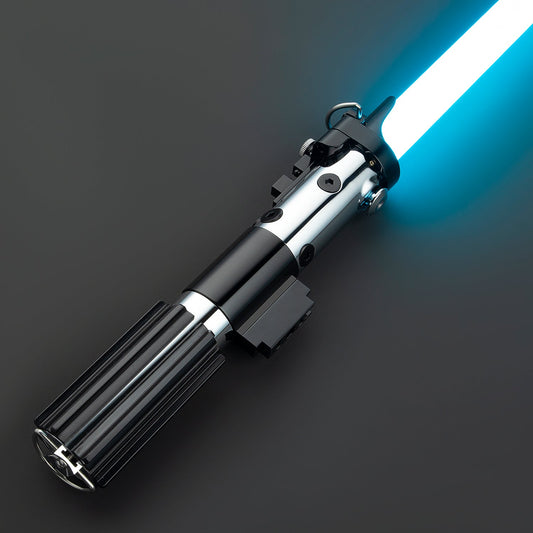
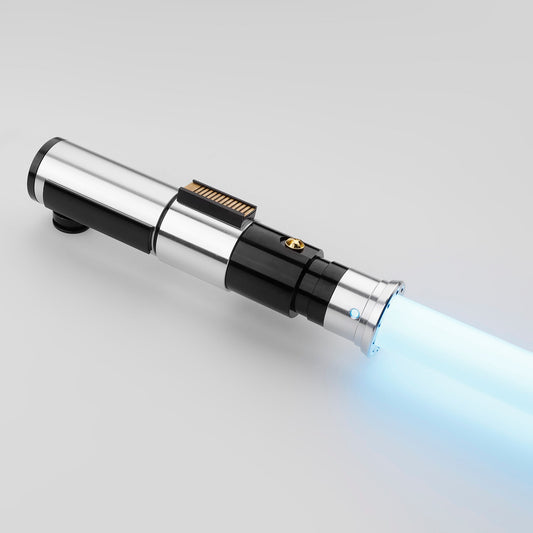
Blue tends to be the default first pick, and for good reason. A blue lightsaber reads as calm and disciplined — the kind of color associated with characters who lead through control rather than aggression. It also just photographs well in nearly any lighting, which explains a lot of its popularity.
Read More: - How Do You Get a Purple Lightsaber? The Story behind Mace Windu’s Iconic Blade
Red sits at the opposite end. A red lightsaber is loud and impossible to ignore, the kind of color that makes your saber the focal point of any photo it's in. That's exactly why it shows up so often in demo duels — from across a room, it reads as danger before anyone's even swung it.
The color purple serves as the middle option, and most fans enjoy selecting it as it keeps them from favoring either efficacy. A purple lightsaber does not lend itself to being calm or aggressive. It is both calm and aggressive and therefore is popular among fans interested in morally complex characters. It is pleasing to the eye when used indoors.
The color white is uncommon as a phenomenon that has a real technical explanation. Achieving a pure white color from LED is more complicated than obtaining other colors, which means that a well-working white lightsaber can serve as evidence that this installation is made with a good quality of performance. It is usually associated with characters that have evaded the conventional factions.
The color yellow is often omitted from conversations, which is unfair, as yellow lightsabers look amazing both visually and conceptually. The color yellow is bright and warm and is associated with characters that are dependable and supportive.
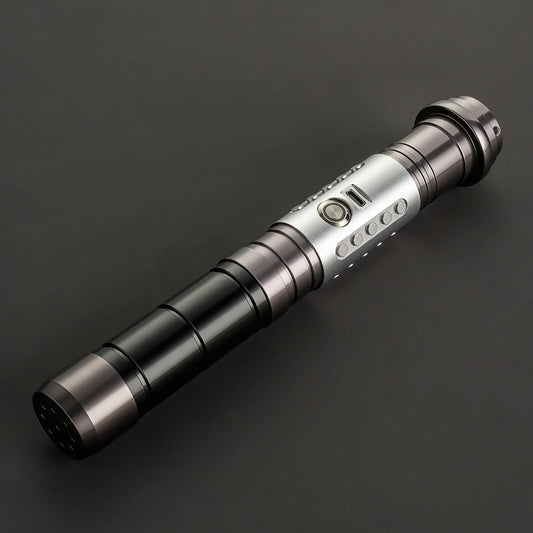
Black is the rare one. Instead of glowing outward, a black lightsaber typically uses a dark blade with a contrasting outline, producing a shadow-like effect that nothing else in this hobby really replicates. Expect to pay a premium — the materials and lighting tricks behind it are more specialized than a standard glowing blade.
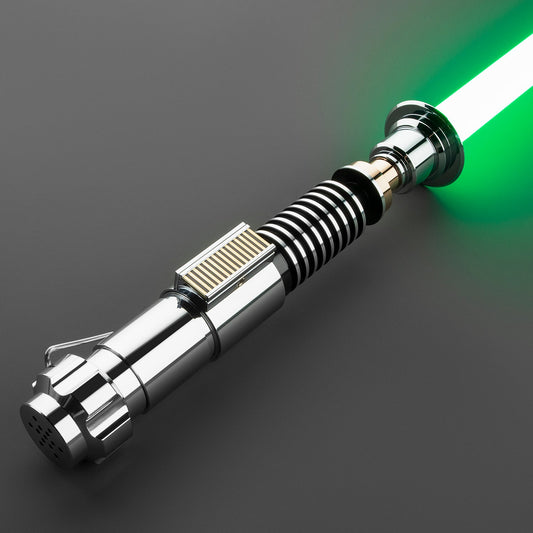
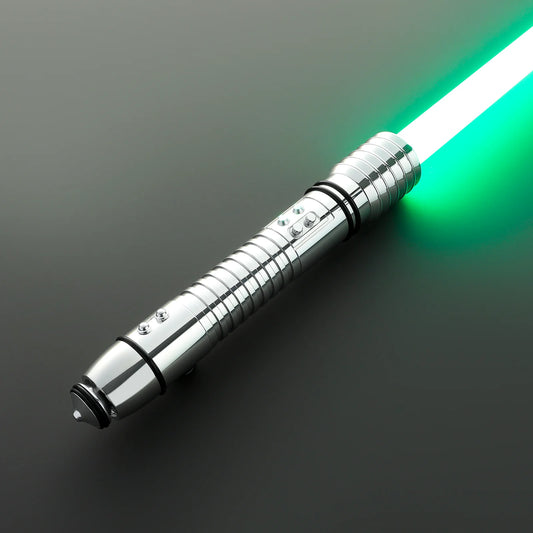
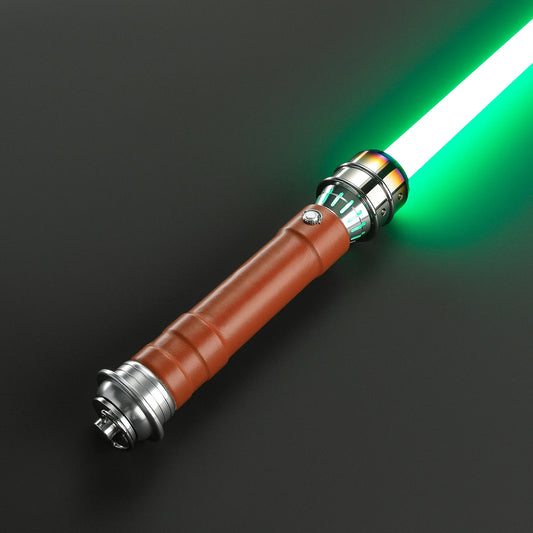
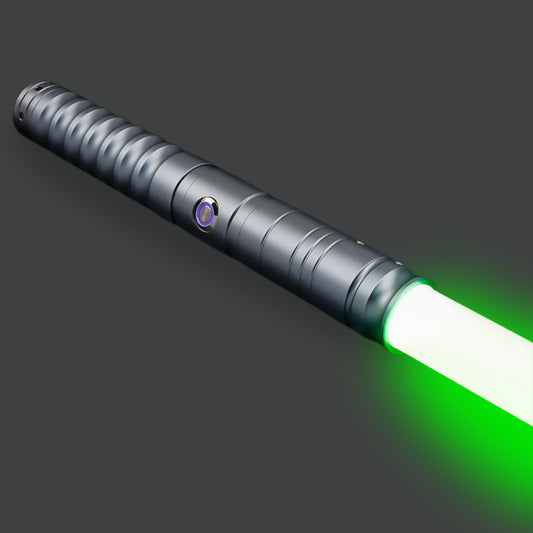
And then green, which tends to read as grounded and patient rather than flashy. Green lightsabers pair especially well with weathered, earth-toned hilt designs, and there's a calming quality to the glow that brighter colors simply don't have.
None of this means you're locked into one choice forever, by the way. Plenty of collectors end up with two or three sabers over time — one built for photos, one for dueling, maybe a rare color just because they wanted it. If money's tight, look at models with swappable or app-controlled color settings so you get some variety without buying multiple hilts.
What Actually Matters Once You're Comparing Specs
The color gets all the attention online, but the internal build is what decides whether your saber is still working in a year or sitting broken in a drawer. A lot of first-time buyers scroll through product photos, pick whatever hilt looks coolest, and never bother reading the actual specs. That's usually how people end up disappointed a few weeks later.
Blade material comes first. If dueling is even a maybe for you, go polycarbonate — it flexes under impact rather than cracking. Acrylic looks fine on a shelf but won't survive contact of any kind.
Sound and motion sensors matter more than people expect going in. The better sabers react to your actual swings and clashes in real time, and that responsiveness is honestly what sells the illusion more than blade color ever does. A silent blade feels like a toy, no matter how good it looks when turned off.
Hilt material is worth checking, too. Aluminium alloy feels heavier and more convincing in your hand than plastic does, and that weight difference is more noticeable than you'd guess from photos alone.
Battery setup deserves a look before you buy, not after. Rechargeable batteries beat replaceable ones almost every time if you plan on using the saber with any regularity.
Ignition style comes down to a trade-off. Fixed blades always stay at full length and tend to hold up better under repeated dueling. A retractable blade looks more dramatic on camera but usually costs more and needs a little extra care.
Customization is where the premium models earn their price tag. Some let you swap colors, sound profiles, even flicker patterns through a companion app — genuinely worth it if you like variety instead of committing to one look forever.
And finally, warranty. These are electronics with moving internal parts, not solid plastic toys, so a seller who actually stands behind their product with real coverage is worth more than one who doesn't.
Matching the Saber to What You're Actually Doing
If cosplay and photography are the goal, prioritize how the blade looks lit up and whether the hilt design fits your costume. A retractable ignition effect specifically pays off here — it reads dramatically better on video than a simple flip-of-a-switch glow.
If you're dueling or doing choreography, durability wins over looks every time, full stop. Polycarbonate blade, shock-resistant hilt, no exceptions. A gorgeous display saber will not survive a real sparring session, no matter how carefully you swing it.
If you're building a collection, chase craftsmanship and rarity instead — something like a black lightsaber, a limited hilt run, maybe a proper display case. This is where spending more actually makes sense, since the saber's never going to take a hit.
If it's for a kid, ignore everything above and grab something lightweight with basic lighting and sound. Foam blades exist for exactly this reason.
There's also a middle path a lot of people never consider: buying two sabers instead of trying to make one do everything. A rugged, no-frills one for actual sparring, and a nicer, more detailed one that stays on the shelf. It sounds excessive until your first backyard duel leaves a crack in an expensive blade. Splitting the job means neither saber has to compromise.
What You'll Roughly Be Spending
Rather than quoting exact numbers here — prices shift constantly and whatever figure gets written today will be outdated soon enough — it's more useful to think in tiers.
The entry tier gets you basic LED lighting, simple sound, and plastic construction. Fine for kids or casual fans who just want the experience without a big commitment.
The mid-tier adds noticeably better sound design, motion sensors, and a sturdier build overall, often solid enough for light dueling.
The premium tier is where Neopixel blades, metal hilts, and app-based customization live — the closest you'll get to that most powerful lightsaber feeling off the shelf.
A lot of people start cheap just to see if the hobby actually sticks, then upgrade once they've figured out what they care about. Others skip straight to premium to avoid paying twice. Both approaches are reasonable. What matters more than the number on the price tag is being honest with yourself about how often you'll really use the thing.
A Word on Where You're Buying From
This part gets skipped constantly, and it shouldn't be. It's tempting to grab whatever pops up first in a marketplace search, but sellers in this space vary wildly, and unlike most products, you often can't tell the difference just from photos. Two hilts can look nearly identical online and turn out worlds apart once you're dealing with sound modules, motion sensors, and blade connectors that either hold up or fail within weeks.
A retailer that specializes specifically in lightsabers usually knows their own inventory better than a generic marketplace reseller flipping whatever's cheapest that month. They're also more likely to actually back the product if something goes wrong, since their entire reputation rides on it. Spend the five extra minutes reading reviews and checking the return policy before committing, especially on anything premium.
Keeping It in Good Shape
Do not expose the sword to sunlight because UV light fades the sword’s construction faster than people think. Do not allow the battery to drain completely because it takes away its life. Be sure to check for signs of wear and tear after heavy usage. Make sure you wipe the hilt with a dry cloth. Do not use cleansers that contain harsh chemicals since they can harm both the sword’s finish and its internal electronics. Tightening the hilt regularly, every couple of months, will ensure the sword functions well enough.
A Few Mistakes Worth Avoiding
Even experienced buyers trip over the same handful of things. Buying purely on looks tops the list — a gorgeous hilt wrapped around cheap internals is still a cheap saber underneath. Ignoring your actual use case is close behind: a display piece won't survive dueling, and an overbuilt dueling saber can feel clunky for simple photos. Not checking battery type ahead of time bites people too, since some budget models use obscure batteries that are a pain to replace later. Skipping reviews entirely is another one — product photos can be edited or staged, but reviews from actual buyers usually can't. And ignoring return or warranty policies matters most on anything expensive, since that's exactly when you want protection in place.
Final Thoughts
Honestly, selecting a lightsaber starts with a single straightforward question: what will you actually be doing with it? If you answer this one question, everything else will fall into its appropriate place, i.e., color, hilt, blade type, and budget. Whether you choose a green lightsaber, a red lightsaber or a purple lightsaber, you’ll find a compatible option for both your wallet and the type of story you want to tell.
Take your time to review a number of models before making your choice. Look for a lightsaber that is not only good-looking in the picture but also feels good in your hand.
If you want to see a collection of high-quality lightsabers, check out some retractable lightsabers available in different colors, including blue and black.


 Sold out