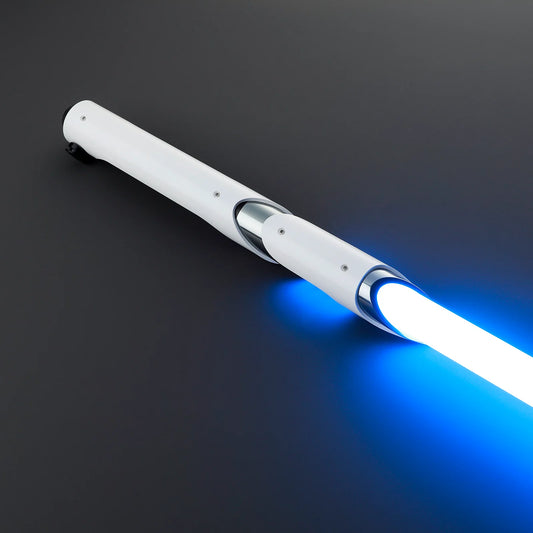
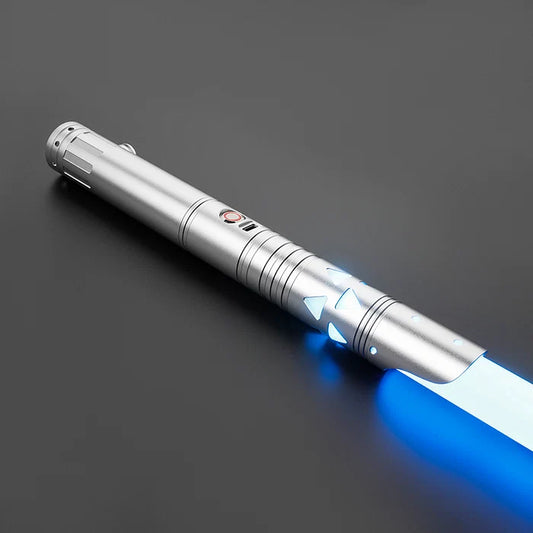
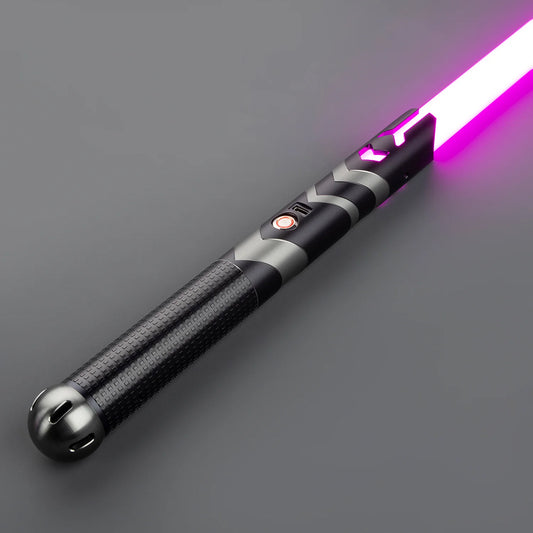
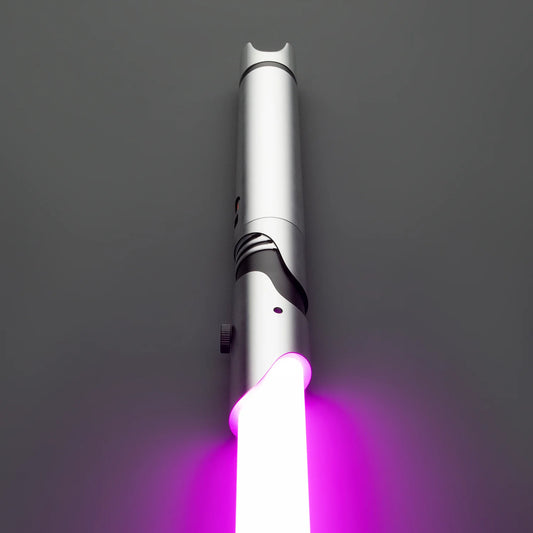
If you are on a mission to get your hands on a lightsaber but are hesitant to lose a large sum of money in the process, you’re not alone. This is probably a position that most hobbyists find themselves in, having very limited models — some of which can set you back by a whopping $ 500.
The truth that many people don’t reveal is that all lightsabers aren’t manufactured in the same way. Two technologies power a light-up blade — Neopixel and RGB — and they vary greatly when it comes to the quality of light emitted and price. If you’ve been searching for the best model to invest in, you’re just in time!
In this overview, we will cover the specifics of Neopixel lightsabers and how they compare to RGB. Budget is an important consideration when purchasing any lightsabers, so we’re also going to tell you the top tips for looking for the Best Lightsabers Under $250. To sum up, by the time you finish this article, you’ll know exactly what to focus on when searching for Custom Neopixel lightsabers or when deciding on the best lightsaber color for your collection.
What's Actually Going On Inside a Neopixel Lightsaber?
Imagine a strip that is made up of smaller sections that consist of LEDs, where each of these LEDs perform their own operations. This sums up the concept behind neopixel lightsabers, where each LED performs functions separately. This allows us to create such features that make a lightsaber special and different from normal lightsaber toys — like smooth color fades or elbows that seem to grow out of the hilt instead of just turning on.
This is the type of technology that many high-quality lightsaber models are based on, which is why collectors like them so much. If you have ever thought, "How do they make that?" in reference to an unboxing video, you most likely saw Neopixel technology in action.
A few things that stand out with this style of blade:
- The color transitions are buttery smooth — no visible banding or gaps
- Ignition and retraction look like the blade is physically extending, not just switching on
- Clash and blaster deflection effects travel down the blade rather than staying stuck at the hilt
- Most boards support dozens of color presets, sometimes way more
- Sound-reactive lighting that actually syncs with how you're swinging it
That last point is honestly what sells most people. Once you've swung a Neopixel blade and heard the hum shift as you move, it's hard to go back to something simpler.
And RGB? What's the Deal There?
RGB works differently. Instead of a strip running the whole blade, you've got one LED (sometimes a small cluster) sitting at the base of the hilt, shining light upward through a polycarbonate tube. The tube diffuses that light so the whole blade glows, but it's not individually addressable pixel by pixel the way Neopixel are.
RGB stands for Red, Green, Blue — the three colors that get mixed to produce whatever shade you want. It's a well-established, reliable method, and honestly, it still looks great. Just not quite as dynamic.
What you get with RGB:
- Lower manufacturing cost, which meansa lower price for you
- Slightly less fluid animations — think "on/off" rather than "grow and fade"
- Very durable, with simpler internal wiring that's less likely to give you trouble
- A genuinely solid entry point if your goal is to buy affordable lightsaber gear without stretching your budget
Don't let "simpler" fool you into thinking RGB blades look cheap, though. Plenty of them look fantastic on a shelf or in a duel, especially at night or in a dim room where the glow really pops.
So, is RGB actually better than Neopixels under $250?
Honestly? It depends on what you care about more.
Under a $250 ceiling, RGB tends to give you more for your money in terms of hilt materials and soundboard features, mostly because Neopixel components just cost more to build. That said, things have shifted in the last couple of years. Some brands — ours included — now offer Custom Neopixel lightsabers at prices that used to be unheard of by simplifying the blade design without gutting the core animation quality.
A full-blown, top-shelf Neopixel saber with every bell and whistle can absolutely blow past $300 or $400. But entry-level Neopixel? That's becoming genuinely accessible under $250 — you might get fewer preset colors or a stripped-down sound library, but the core smooth-ignition experience is still there.
What Actually Makes a Lightsaber Under $250 Worth Buying?
Not every budget saber is created equal, and honestly, this is where people get burned. A few things worth checking before you hit "buy":
The hilt matters more than people expect. Aircraft-grade aluminum alloy hilts feel completely different from plastic ones — heavier, more balanced, and they just look right in your hand. If a listing doesn't specify the hilt material, that's usually a red flag.
Blade material is non-negotiable. Polycarbonate (PC) is the industry standard for a reason — it's shatter-resistant and holds up to light or moderate dueling. Cheaper plastics crack. Don't risk it.
Sound matters more than you'd think. Even at a budget price, you want ignition sounds, hum, clash effects, and swing sounds. Bonus points if the board supports multiple sound "fonts," so you're not stuck with one audio personality forever.
Battery life and charging. USB-C rechargeable lithium-ion is basically the standard now. If a saber still runs on disposable batteries, that's an inconvenience you'll regret within a month.
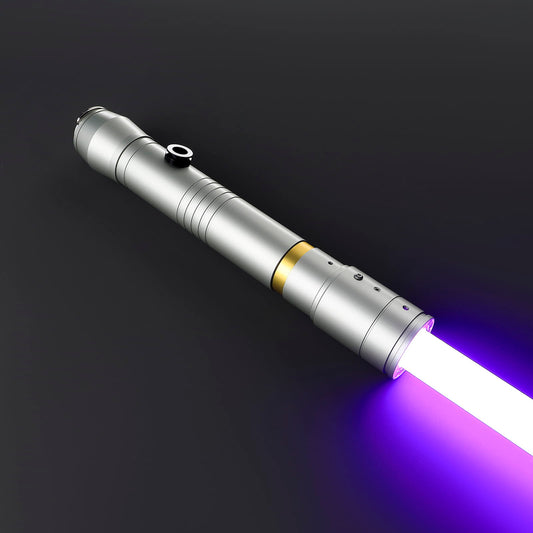
Color options. Whether you're drawn to the classic feel of Blue lightsabers, the intensity of Red Lightsabers, or something less traditional, make sure your saber actually supports the color you want — ideally more than one, so you're not locked in.
Blue or Red? A Quick Word on Color
Color says a lot, and it's usually the first decision people make. Blue lightsabers carry that Jedi Guardian energy — disciplined, combat-focused, tied to some of the most recognizable heroes in the franchise. It's the color most first-time buyers gravitate toward, and there's a reason for that.
Red Lightsabers, on the other hand, are the Sith's signature. Bolder, more intimidating, and honestly, they photograph incredibly well against almost any background — which is part of why cosplayers love them so much.
The good news is you don't have to pick just one. Most sabers under $250 these days let you toggle between several preset colors right from the hilt, blue and red included, so you get variety without buying two separate sabers.
Are Sub-$250 Sabers Actually Good for Collectors?
Yes — and this surprises people. Sure, the ultra-premium stuff with hand-finished hilts and fully custom Neopixel blades will always command a higher price tag. But there's a solid tier of sabers under $250 that collectors are genuinely proud to display. The trick is sticking with brands that use durable materials and real detailing, even when the price is friendly. Things like engraved hilts or limited color combos can make a budget saber feel just as special as something twice the price.
Can You Actually Get Quality for Under $250?
Yes, and this is less of a compromise than it used to be. Manufacturing in this space has matured a lot — brands have figured out how to deliver metal hilts, dependable soundboards, and solid blade electronics without needing to charge premium prices. You'll usually give something up, whether that's the complexity of Neopixel animations or the size of the sound library, but the core experience — a glowing blade with real sound and decent build quality — is absolutely achievable on a budget.
Can You Get a Neopixel Blade for Under $250?
You can, and it's becoming more common. Entry-level neopixel lightsaber models now show up under the $250 mark fairly regularly. You'll get the smooth ignition and blade animation that makes Neopixel worth chasing, just without some of the extras — think fewer blaster bolt effects or a smaller sound library compared to the flagship versions. If Neopixel visuals are your main priority, it's worth checking current listings regularly, since pricing keeps shifting as the tech becomes more common.
Are These Sabers Actually Good for Dueling?
For casual sparring, choreography, cosplay events, or backyard practice with friends — yes, absolutely, as long as you're looking at polycarbonate blades on a sturdy hilt. For casual sparring, choreography, cosplay events, or backyard practice with friends — yes, absolutely, as long as you're looking at polycarbonate blades on a sturdy hilt. If you're into serious, high-impact competitive dueling, you'll want reinforced or heavy-dueling blades, which cost more due to thicker blade walls.
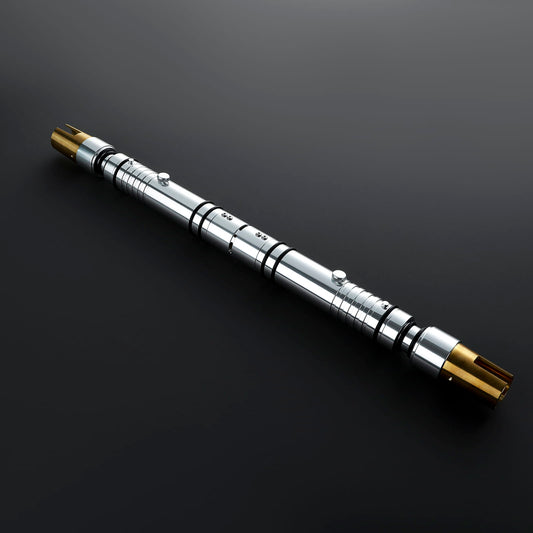
If dueling is your goal, choose a double-bladed lightsaber Two-handed spinning methods offer a different rhythm than single-blade fighting, and many dueling fans eventually buy one.
Which One Should a Beginner Actually Buy?
If you're new to this, RGB is usually the smarter starting point. Look for:
- Preset color-changing, so you can experiment with different looks before committing
- A reliable polycarbonate blade
- Decent sound effects — doesn't need to be fancy
- A grip that actually feels comfortable in your hand
Starting with RGB lets you get comfortable with the basics — charging routines, blade care, general maintenance — before you invest in something more advanced like a Neopixel model down the road. There's no shame in starting simple.
What about Customization?
This is honestly one of the more fun parts of the hobby, and yes, you can absolutely customize even at a budget-friendly price. Depending on the brand, you might be able to choose:
- Hilt finish and engraving
- Blade color, including popular picks like Blue lightsabers and Red Lightsabers
Sound font
- Blade style — including going with a double-bladed lightsaber setup for a totally different feel
Custom Neopixel lightsabers generally offer the deepest customization simply because the LED strip tech allows for more present combinations and effects. If personalization is a priority for you, specifically look for listings that call out configurable Neopixel features within your price range.
Mistakes People Make When Shopping on a Budget
We've seen the same handful of mistakes over and over, so it's worth calling them out before you go shopping.
Buying based on photos alone
Product photos can make almost any blade look impressive under studio lighting. What you actually want to check is the listed blade material, hilt material, and battery type — the boring specs, basically. Photos lie a little; specs usually don't.
Ignoring the return policy
This one's simple, but people skip it constantly. Electronics fail sometimes — it happens even with good manufacturing. Buying from a seller with a clear warranty or return window saves you a massive headache if something arrives defective.
Overlooking blade length
Standard blades run somewhere around 32–36 inches, but if you're shorter, taller, or planning to do a lot of two-handed work, length actually affects how the saber feels during a duel. It's an easy detail to skip and an annoying one to fix after the fact.
Skipping maintenance basics.
Polycarbonate blades are tough, but they're not indestructible. Wiping the blade down after outdoor use, storing the saber somewhere it won't get crushed, and periodically checking the blade connection point will add years to its life. None of this is complicated — it just gets forgotten.
How to Care for Your Lightsaber Once You've Got One
Honestly, no one brings this up enough! You put in the effort to find the perfect lightsaber, only for it to be put in a bag or anywhere else where it can face possible damage.
Here are a few habits to get into:
Always store your lightsaber in a padded case or on a stand instead of precariously lying anywhere.
- Maintain optimal battery levels even when the lightsaber isn’t being used — this will maximize battery longevity.
- Never leave it in a hot car; excessive heat is one of the best methods to ruin your polycarbonate blade.
- Please check for cracks in the blade tip and connection point before they become a bigger problem.
- Please wipe the hilt down with a soft cloth; avoid using strong chemicals that might destroy the finish.
None of this takes more than a few minutes, and it's the difference between a saber that lasts years and one that starts falling apart after a couple of months of regular use.
Neopixel or RGB — Which One Fits Your Actual Lifestyle?
Beyond the technical specs, it helps to think about how you'll actually use the thing day to day.
If you're mostly building a display collection — sabers on a wall mount, maybe photographed for social media — Neopixel's smoother animations are going to show up better on camera and in person. The ignition effect alone tends to impress people who've never seen one up close.
If you're planning to duel regularly, spar with friends, or take it to conventions where it might get bumped around, RGB's simpler internal wiring is honestly a practical advantage. Fewer components mean fewer things that can go wrong after a hard hit.
And if you're somewhere in between — a casual collector who occasionally duels — either option under $250 will probably serve you fine. This is really where personal preference takes over from pure specs.
Random Trivia Break: What Color Is Yoda's Lightsaber?
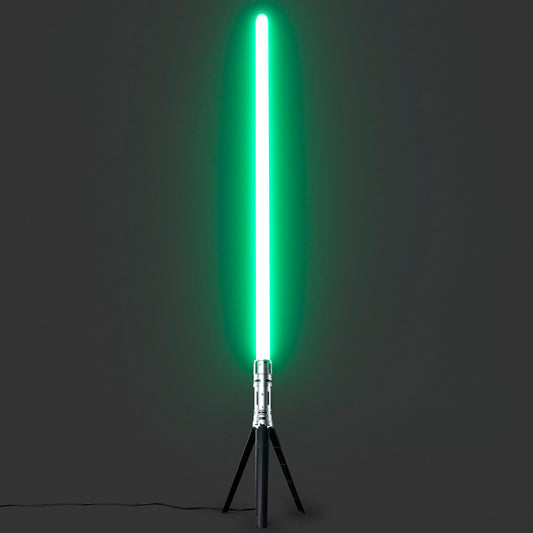
Since we're on the topic of colors, here's a fun one for the collection: people often ask what color Yoda's lightsaber is, and the answer is green. Green tends to represent Jedi Consulars — the wiser, more diplomatic types who lean on defense and patience rather than pure aggression. It's a popular pick among collectors who want a saber that feels a little more thoughtful than combat-obsessed.
Wrapping This Up
Whether you end up leaning toward the smooth animations of a neopixel lightsaber or the reliable simplicity of an RGB build, this is genuinely a great time to buy affordable lightsaber gear without settling for something cheap-feeling. Prioritize the hilt, the blade material, and the sound quality first. Colors and fancy effects can always be adjusted or upgraded down the line.
At BM Lightsabers, we've built out a line-up that spans both categories — from the classics like Blue lightsabers and Red Lightsabers to fully Custom Neopixel lightsabers — all designed to fit comfortably under a $250 budget without cutting corners where it counts. If you're ready to start duelling, collecting, or just building out your cosplay setup, take a look at what's currently available and find the saber that actually fits your style.